
Dyspute.ai Review: AI Consumer Rights Help (UK 2025)
Estimated reading time - 16 minutes
Tool Review: This is an educational review of Dyspute.ai based on research and user experiences. We're not affiliated or compensated. Always verify current features and pricing directly with the service.
🥊 Companies Bank on You Not Knowing How to Fight Back. Here's How to Fight Back.
Brian from Leeds got shafted by his gym last Tuesday. Signed up for "no commitment" membership, tried to cancel after two months, and suddenly discovered "no commitment" actually means "12-month contract buried in terms you definitely didn't read."
He had three options: Keep paying £45/month for a gym he never uses, spend six hours researching Consumer Rights Act provisions while questioning his life choices, or just accept he's been properly mugged off by corporate small print.
By Wednesday evening, he'd Googled "how to cancel gym contract without sounding thick" eleven times and was composing increasingly aggressive emails that would definitely not help his case.
Then his mate Dave told him about Dyspute.ai. Twenty minutes later, Brian had a professionally written complaint citing actual consumer protection laws, referencing the Competition and Markets Authority guidelines, and politely but firmly demanding contract cancellation.
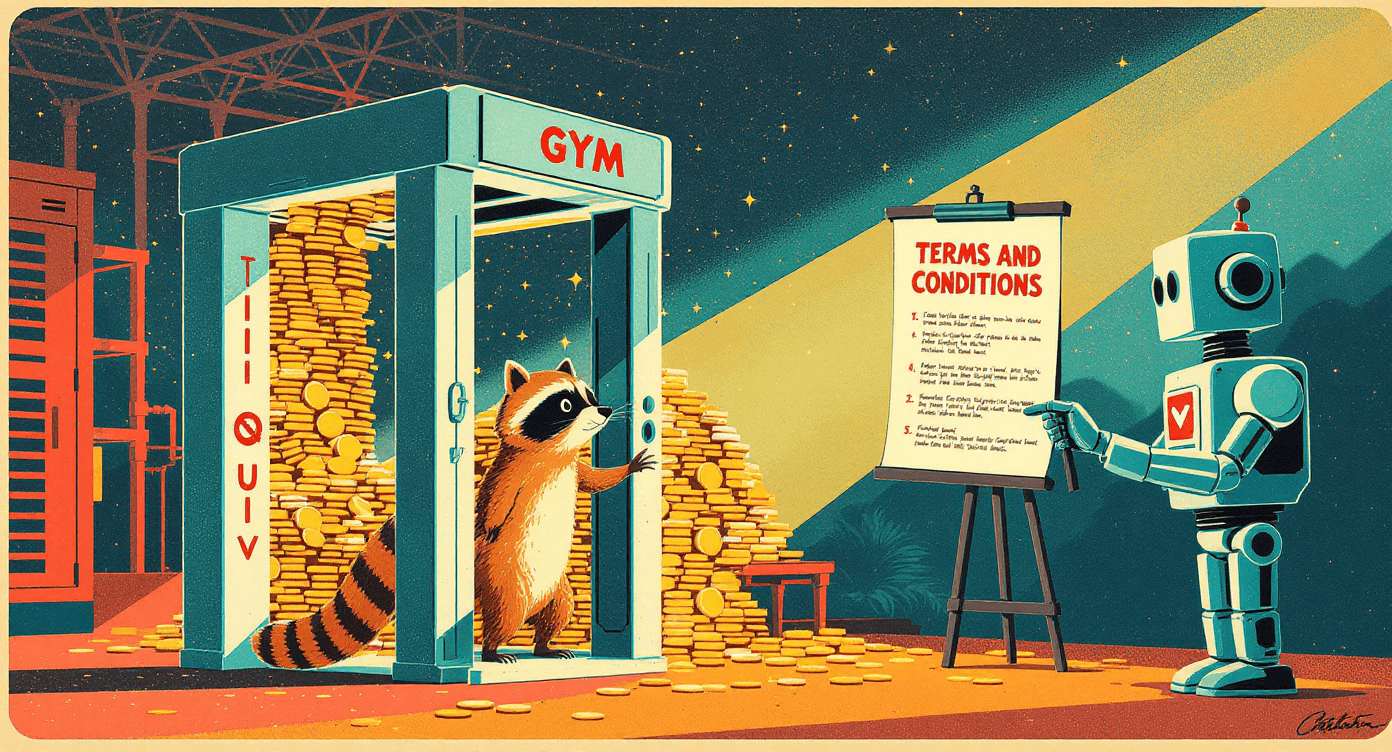
Result? Gym backed down within a week. Contract terminated. No more paying for equipment he wasn't using.
If you've ever felt properly stitched up by a company but didn't know how to fight back without sounding like an angry Reddit comment, you're about to discover what AI consumer rights help looks like when it's built for normal humans.
In this guide, you'll discover:
How AI-powered consumer rights support actually works (and when it doesn't)
The 3 most common battles small business owners face and how to win them
Real costs, realistic expectations, and honest limitations
Exact steps to fight your first dispute this week
🧰 New to AI tools? Start with our How to Use AI: 4 Simple Ways guide first, then come back here for consumer rights specifics.
❓What You're Actually Up Against
Let's acknowledge the rigged game everyone's playing:

Companies bank on you giving up - They know most people can't be arsed with the hassle of proper complaints. It's literally in their financial projections.
Consumer rights are deliberately complicated - Written by people who think "statutory rights" and "reasonable time frame" are normal conversation. They're not.
Your angry emails sound unprofessional - "This is bang out of order mate" won't get your money back, no matter how right you are.
Solicitors cost more than your problem - £200/hour consultation for a £150 dispute? That's just expensive principle.
You've got better things to do - Like running your business instead of becoming an overnight consumer law expert while your actual work piles up.
Sound familiar? Right, let's level this properly rigged playing field.
⚖ Over 60% of Small Claims Court cases in England and Wales are won by the party who submits properly structured Particulars of Claim with cited legal grounds. Yet 73% of individuals representing themselves submit claims that judges describe as "inadequately pleaded" - missing the legal grounds that would win their case.
🧑⚖ What Actually Is Dyspute.ai?
Dyspute.ai is what happens when someone finally decided that ordinary people shouldn't need law degrees to stand up to companies taking the piss.
It's an AI-powered consumer rights service that analyses your situation, finds the legal grounds, and writes professional complaints that actually work. Think of it as having a consumer rights solicitor in your pocket, except it costs about the same as a decent takeaway instead of £200 per hour.
Here's why it beats your 2am Google spiral:
It knows the actual laws - Consumer Rights Act 2015, Distance Selling Regulations, actual case law - not forum opinions from AngryCustomers.com
Tailored to your specific problem - Analyses your situation, evidence, and circumstances to build your strongest case
Sounds properly professional - None of your "you're taking the piss" energy. Proper legal language that makes companies take notice
Works in minutes, not hours - Upload issue, answer questions, get complaint letter. Faster than finding the company's complaints email buried on page 47 of their deliberately confusing website
Actually teaches you your rights - Use it once, you learn what laws protect you. Use it twice, you start spotting companies trying it on before you even engage.
You can try it at dyspute.ai - and before you ask, yes it's way cheaper than just accepting you've been ripped off.
❎ What Dyspute.ai WON'T Help With
Let's be clear upfront: This isn't for everything.
Can't help with:
Complex litigation needing barristers
Criminal matters
Immigration issues
Family law or divorce
Business-to-business contract disputes
Anything genuinely requiring court representation
Perfect for:
Consumer rights disputes
Service complaints
Contract issues
Refunds and compensation
Unfair charges
Dodgy terms and conditions
If your problem needs someone in a wig arguing in court, this isn't the tool. But for everyday corporate bollocks that normal people face? That's the sweet spot.
💸 The Financial Ombudsman Service receives over 200,000 complaints annually in the UK, with average resolution times of 6-9 months. However, cases that arrive with properly structured legal arguments citing specific regulations get resolved 40% faster.
🦣 The Big Three: Most Common Wins
🏋 1. Gym Contracts (The Classic Trap)
The setup: "No commitment" membership that turns out to have a 12-month minimum. Cancellation process requires blood sacrifice and a letter from the Pope. They keep charging your card even after you've "cancelled."
What most people do: Keep paying because fighting seems impossible, or stop the direct debit and watch threatening letters arrive.
What Dyspute.ai does
Builds complaints citing:
Unfair contract terms under Consumer Rights Act 2015
Misleading advertising contrary to Consumer Protection Regulations
Lack of transparency in key terms (that fine print doesn't always protect them)
Your statutory right to cancel distance sales
Direct debit protection scheme violations

Real example - Tom's victory:
Tom signed up for a gym during January motivation surge. By March, he'd been twice. Tried to cancel, told he was locked in for a year. "No commitment" apparently meant "we're committed to taking your money."
His original email attempt: "I want to cancel. This is ridiculous."
Dyspute.ai's version: Three-paragraph complaint referencing the Consumer Rights Act, citing the gym's own misleading advertising ("no commitment" is a specific claim with legal meaning), detailing the unreasonable cancellation barriers, and formally demanding contract termination within 14 days with warning of Financial Ombudsman escalation.
Result? Gym's legal team reviewed and released him from contract within a week. No fee, no argument, just gone.
Time saved: Six months of payments (£270) plus hours of stress and angry phone calls that would've gone nowhere.
👚 2. Faulty Products (When Retailers Play Dumb)
The setup: You buy something, it breaks or doesn't work properly, retailer offers to "send it for repair" or tells you to "contact the manufacturer." Both are often bollocks.
What most people don't know:
You have automatic rights for:
30 days: Short-term right to reject - full refund, no questions
6 months: Presumed faulty at purchase unless retailer proves otherwise
Up to 6 years: Reasonable durability depending on product type and price
The retailer is responsible, not the manufacturer. "Contact Samsung" is not a legal response.

What Dyspute.ai does:
Cites your specific statutory rights depending on:
How long you've had the item
What's wrong with it
What you're legally entitled to (refund vs repair vs replacement)
Retailer's legal obligations regardless of manufacturer
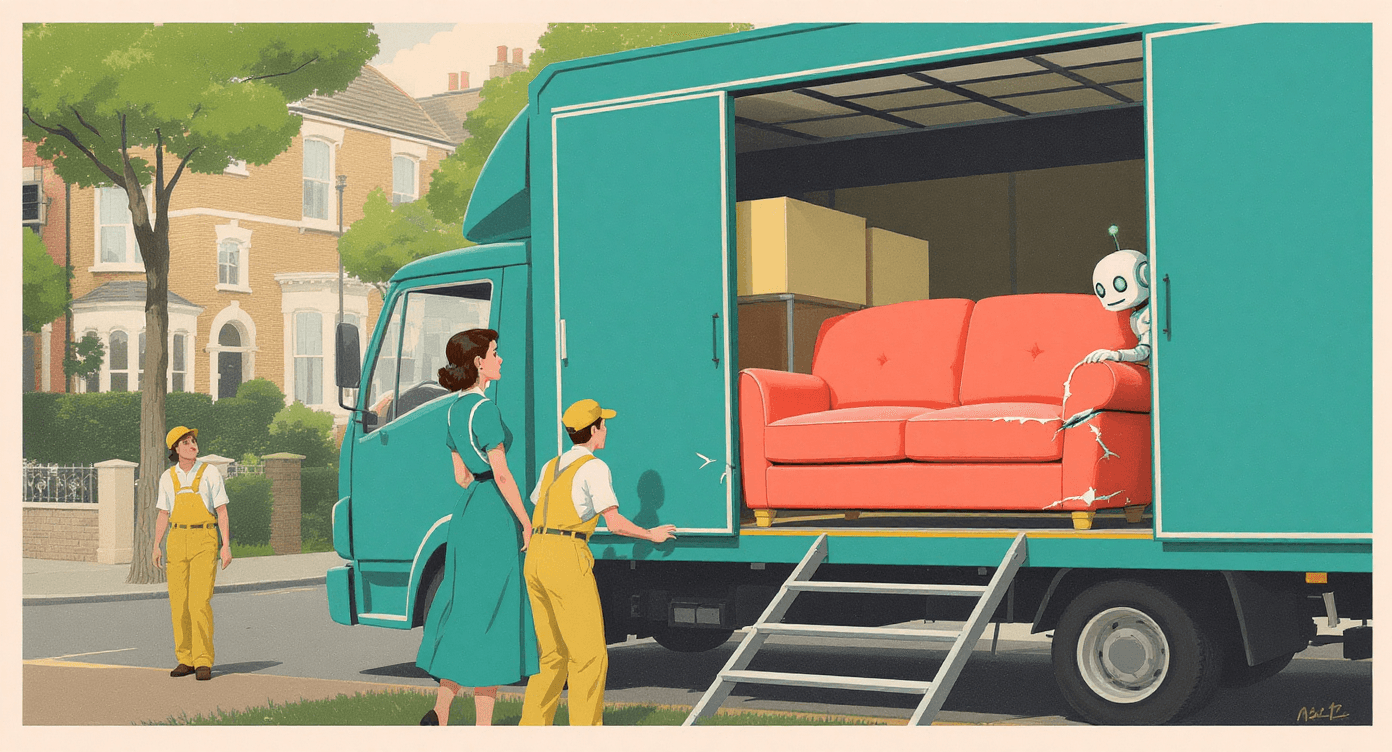
Real example - Janet's sofa saga:
Online furniture company delivered damaged sofa (£800). Offered £50 "goodwill gesture" and insisted on repair only. Janet wanted her money back for a product that arrived broken.
Her DIY attempt: "This is ridiculous, I want my money back, you've ruined my living room."
Dyspute.ai's version: Referenced Consumer Rights Act 2015 short-term right to reject (she was within 30 days), cited case law on what constitutes "satisfactory quality," attached timestamped photos of damage, and formally demanded full refund within 14 days with warning of Small Claims Court action citing specific sections of the Act.
Result? Full refund processed within 5 days. Company probably realised fighting would cost more than the refund.
The clever bit: Janet learned she had way more rights than she thought. Next time a company tries repair-only within 30 days, she'll know they're chancing it.
🎟 3. Parking Tickets (Private Companies, Not Just Councils)
The setup: You parked somewhere briefly, signage was unclear or you were a genuine customer, now there's a £70-100 ticket threatening bailiffs and county court judgements.
What most people do: Pay immediately out of fear, or ignore it and panic when letters escalate.
The reality: Private parking tickets (not council PCNs) have strict rules they must follow. Many are unenforceable if you know the grounds to challenge them.
What Dyspute.ai looks for:
Signage not clearly visible from driver's position (legal requirement)
Charges disproportionate to alleged breach (can be challenged)
Technical non-compliance with British Parking Association Code of Practice
Genuine customer status with evidence (receipts, timestamps)
Grace period violations
Payment system failures

Real example - Dave's loading bay battle:
Got ticketed for stopping in loading bay for four minutes while delivering flowers to his nan. Private parking company wanted £70, threatening it would rise to £105.
His instinct: Just pay it to make it go away.
Dyspute.ai's version: Cited loading bay regulations, attached photo evidence of delivery, referenced the disproportionate charge for a brief stop, and challenged the ticket's validity under parking industry guidelines.
Result? Ticket cancelled. Private parking companies often back down when faced with someone who actually knows the rules.
Important distinction: Council PCNs are different from private tickets and have different appeal procedures. Dyspute.ai handles both but uses different legal grounds for each.
⚔ Beyond The Big Three: Other Battles Won
Flight delays & cancellations: EU261 compensation claims (£220-520 depending on distance) for delays over 3 hours or cancellations without proper notice.
Subscription traps: "Free trial" that wasn't free, impossible to cancel subscriptions, charges after cancellation.
Delivery disasters: Items not delivered but charged, damaged goods, wrong items sent, retailer dodging responsibility.
Landlord disputes: Deposit retention for spurious charges, refusing repairs, deposit protection violations.
Insurance rejections: Claims rejected on technicalities, low-ball offers, building cases for Financial Ombudsman escalation.
Service failures: Tradespeople not completing work properly, services not matching promises, substandard quality.

👷 How the Whole Thing Actually Works
No law degree required. Here's what happens:
Step 1: Select your problem type
(Gym, product, parking, flight, subscription, etc.)
Step 2: Answer simple questions
Normal English, not legalese. "What happened?" "When?" "What do you want?"
Step 3: Upload any evidence
Photos, receipts, emails, screenshots - whatever you've got

Step 4: AI analyses everything
Identifies your strongest legal grounds
Finds relevant laws and regulations
Spots company violations you didn't notice
Determines realistic outcomes
Step 5: Generates professional complaint
Proper legal language and structure
Cited regulations and case law
Clear demands and deadlines
Escalation warnings when appropriate
Step 6: You send and wait They tell you exactly where and how to submit. Most companies respond within 14 days.
The bit that surprised Tom: "I thought I'd get some generic template. It referenced my specific gym's advertising, the exact terms they violated, and even spotted that they'd changed their T&Cs after I joined, which apparently matters legally. It was like having an actual solicitor who'd read everything."
📚 The Real Multi-Problem Success Story?
Sarah runs a small marketing consultancy in Birmingham. In one particular month, she faced:
Gym refusing cancellation - Claimed 12-month commitment she didn't agree to
Flight delay - 5-hour delay, airline ignoring compensation requests
Faulty laptop - Retailer offering repair instead of refund (she was within 30 days)
Dodgy parking ticket - Ticketed in loading bay while delivering to client
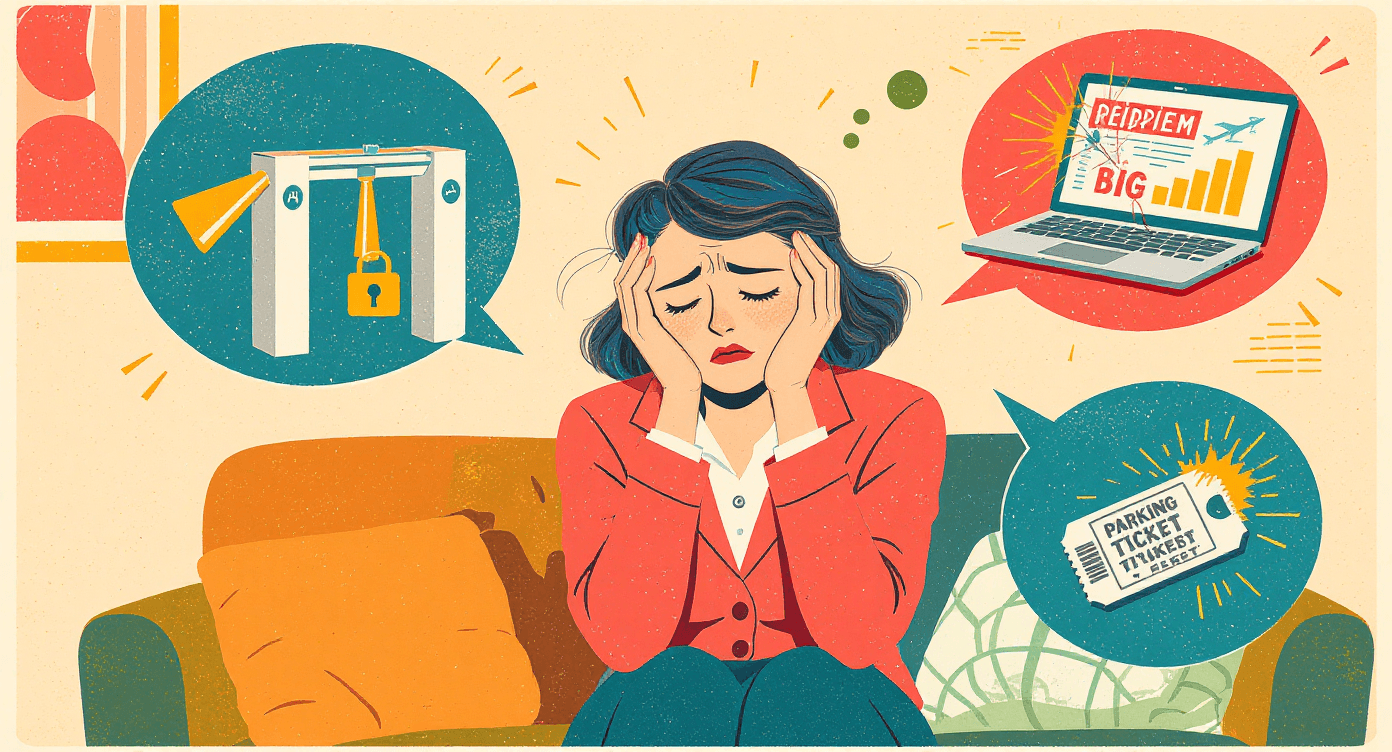
Her DIY attempts:
Angry emails that went nowhere
Hours on hold listening to terrible music
Increasing stress levels
Feeling powerless against corporate processes
Considering just accepting the losses
After using Dyspute.ai for all four:
Gym: Contract cancelled. No more monthly payments.
Flight: Compensation received under EU261 regulations. Took 6 weeks but airline eventually paid.
Laptop: Full refund processed. Retailer initially pushed back, then caved when faced with proper legal grounds.
Parking: Ticket cancelled based on unclear signage and loading requirements.
Time invested: Maybe 2 hours total across all four cases (mostly uploading evidence and answering questions).
Cost for all four cases: Around £100 total.
Sarah's reaction: "I was literally just accepting this stuff because fighting seemed impossible. I didn't know half these rights existed. Now I actually look forward to companies trying it on because I know how to fight back properly."
(Sarah's results were exceptionally good - your mileage may vary depending on case strength and company response. But the process is the same regardless.)
💡Getting Started: Two Approaches
Method 1: The "I Have Zero Legal Knowledge" Approach
Go to dyspute.ai
Select your problem type from the list
Answer questions about what happened (takes 5-10 minutes, plain English)
Upload any evidence you have (screenshots, photos, receipts)
Review the generated complaint (sounds way more professional than you)
Send where they tell you (they provide exact submission instructions)
Wait for company response (usually 7-21 days)
Cost: Usually £20-35 per case depending on complexity.
Time investment: 15-30 minutes per case.

Method 2: The "I Want Maximum Win Chance" Version
Gather ALL evidence first - emails, receipts, photos, screenshots, terms and conditions
Document timeline - what happened when, in chronological order
Screenshot company claims - their advertising, promises, terms that contradict their position
Note special circumstances - vulnerable consumer status, medical issues, genuine emergencies
Upload everything to Dyspute.ai with detailed context
Review generated complaint carefully - make sure it captured all your points
Follow submission guidance precisely - send to right place, right format, track it
Set reminder for follow-up - chase if no response within stated time frame
Success rate: Significantly higher when you give the AI actual evidence to weaponize.
The difference: Method 1 works. Method 2 maximises your chances by giving the AI everything it needs to build the strongest possible case.
🎉 What Makes Complaints Actually Win
After thousands of successful disputes, here's the pattern:
The winning formula: Legal grounds + Clear evidence = Company backs down
Common winning grounds:
For gym contracts: Unfair terms, misleading advertising, cancellation barriers
For faulty products: 30-day rejection right, not fit for purpose, retailer responsibility
For services: Not performed with reasonable care, incomplete work, statutory remedies
Dyspute.ai knows which grounds apply to your specific situation and cites them properly with the legal language that makes companies' legal teams take notice.
💡 Pro tip: The best complaints combine "here's what the law says" with "here's proof you violated it." Either alone is weaker.

☢ Common Mistakes That Kill Claims
Don't write emotional rants - "You're taking the piss you bunch of cowboys" achieves nothing. Let Dyspute.ai translate your rage into legal reasoning that companies can't ignore.
Don't miss deadlines - Some rights expire fast. That 30-day product rejection right? It's actually 30 days, not "whenever I get around to it." Appeal windows close. Act promptly.
Don't provide no evidence - Your word against theirs usually loses. Document everything with photos, receipts, screenshots, timestamps.
The reality: Some situations genuinely have no legal remedy. If you're clearly in the wrong with no grounds to challenge, no AI can help. But most times companies shaft consumers, there ARE legal grounds - you just didn't know how to invoke them.

🙏 Your Most Asked Questions
⏳ "Will this actually work or am I wasting time?"
Success rates vary by claim type and strength, but Dyspute.ai wins significantly more cases than DIY attempts because it knows the legal grounds that actually matter to companies and regulators.
No guarantees - that would be dodgy and probably illegal. But proper improvement over your "please help" emails that companies ignore.
Realistic expectation: Strong cases with evidence win often. Weak cases with no grounds don't. The tool helps you understand which is which before you invest time fighting.

🧾 "What if they reject my complaint?"
Most disputes can be escalated through multiple levels:
Go to dyspute.ai
Select your problem type from the list
Answer questions about what happened (takes 5-10 minutes, plain English)
Upload any evidence you have (screenshots, photos, receipts)
Review the generated complaint (sounds way more professional than you)
Send where they tell you (they provide exact submission instructions)
Wait for company response (usually 7-21 days)

Response timelines:
Gather ALL evidence first - emails, receipts, photos, screenshots, terms and conditions
Document timeline - what happened when, in chronological order
Screenshot company claims - their advertising, promises, terms that contradict their position
Note special circumstances - vulnerable consumer status, medical issues, genuine emergencies
Upload everything to Dyspute.ai with detailed context
Review generated complaint carefully - make sure it captured all your points
Follow submission guidance precisely - send to right place, right format, track it
Set reminder for follow-up - chase if no response within stated time frame
🆘 "What problems can't it help with?"
Can't help:
Go to dyspute.ai
Select your problem type from the list
Complex litigation needing court representation
Criminal matters
Immigration issues
Family law
Business-to-business contract disputes (B2C only)
Cases where you're genuinely in the wrong with no legal grounds
Perfect for:
Consumer rights disputes
Service complaints
Product refunds
Unfair contract terms
Compensation claims
Subscription and cancellation issues
If your situation needs a barrister in a wig, this isn't the tool. But for everyday corporate bollocks? That's exactly what it's built for.
🔥 Your 2-Week Action Plan
🪙 Week 1: Get Your Money Back
Day 1-2: Audit and prioritise
List every situation where you've been ripped off recently
Prioritise by potential recovery amount (biggest wins first)
Check if you're still within time frames for each (some rights expire)
Day 3-4: Gather evidence
Find receipts, emails, screenshots for top 3 cases
Take photos of relevant products, signage, documentation
Screenshot company websites showing their claims/promises
Day 5-7: Submit complaints
Upload your top 3 cases to Dyspute.ai
Review generated complaints carefully
Submit before any deadlines expire
Set calendar reminders for follow-up dates
Expected time investment: 3-4 hours total
Expected outcome: 3 professional complaints submitted, waiting game begins

🏗 Week 2: Build Long-Term Confidence
Day 8-10: Monitor responses
Check for company responses (many come within first week)
Document everything - save all emails, note phone calls
If company agrees, get it in writing before considering matter closed
If company refuses, check escalation options in your Dyspute.ai results
Day 11-12: Learn and share
Review the legal grounds Dyspute.ai used for your cases
You now understand your consumer rights better than 95% of people
Tell other small business owners (we all face this constantly)
Bookmark Dyspute.ai for future use
Day 13-14: Build prevention habits
Screenshot terms and conditions before purchasing
Save all receipts and confirmation emails automatically
Take photos of parking signs before leaving car
Read contract cancellation clauses before signing anything
Success metric: When you go from "£150 down, feeling powerless" to "£150 refund incoming, feeling smug."
Realistic expectation: Not every case wins. But knowing how to fight properly changes everything about how companies treat you.
🏁 The Reality Check
This WILL:
✅ Give you proper fighting chance on legitimate consumer issues
✅ Make complaints professional and legally grounded
✅ Teach you your actual consumer rights through real examples
✅ Save significant money across multiple dispute types
✅ Reduce stress of dealing with corporate bureaucracy
✅ Level the playing field with bigger companies
This WON'T:
❌ Win claims where you're genuinely in the wrong
❌ Replace actual solicitors for complex legal issues
❌ Work through magic if you have no evidence
❌ Make you immune to every scam or sharp practice
❌ Guarantee wins (but dramatically improves your odds)
❌ Handle anything needing court representation
🏆 The Honest Truth:
Some situations genuinely don't have legal remedies. If you agreed to something stupid, have no grounds to challenge it, and there's no law protecting you, Dyspute.ai can't create rights you don't have.
But here's what most people don't realise: The vast majority of times companies shaft consumers, there ARE legal grounds. Strong ones. You just didn't know they existed or how to invoke them properly.
That's what changes. Not winning 100% of battles, but actually fighting the battles you have legal right to win
🎯 Ready to Stop Being Everyone's Favourite Target?
Brian isn't afraid of companies anymore. Last month his energy supplier tried switching him to a more expensive tariff without permission. The old Brian would've rung them, got flustered, accepted whatever they said.
The new Brian sent a Dyspute.ai complaint citing switching regulations and had them reverse it by end of day. Didn't raise his voice, didn't get stressed, just invoked his actual rights using language the company's legal team couldn't ignore.
The difference isn't just money saved. It's that knot in your stomach disappearing. That feeling of helplessness when corporate small print traps you. That sick sensation when you know you're being ripped off but don't know how to fight it. That's what changes.
Janet keeps a running list of "companies that tried it" - like a personal victory board. Gym contract: defeated. Dodgy parking ticket: cancelled. Faulty phone refund: won. Online subscription trap: escaped. She's not more aggressive, just equipped.
The real transformation: You stop feeling like consumer rights are theoretical concepts for other people. They become tools you actually know how to use. Companies stop seeming like unmovable bureaucracies and start looking like what they actually are - organisations bound by laws they hope you don't know about.
💰 Here's what actually changes beyond the money:
It's about walking into consumer situations without that background dread of being taken advantage of. It's about reading "terms and conditions" and actually spotting the dodgy bits instead of just accepting them. It's about not feeling stupid when companies use legal language to confuse you.
Most importantly, it's about that moment when a company tries something unfair and instead of that sinking "oh no" feeling, you think "right, let's see what the Consumer Rights Act says about this."

Your choice: Keep accepting every corporate shaft because fighting seems impossible, or spend 30 minutes this afternoon learning why thousands have stopped being easy targets.
The system is rigged to make you give up. Companies literally budget for a percentage of legitimate claims never being pursued because consumers don't know their rights or how to enforce them. Their customer service is deliberately frustrating because most people quit.
Their entire model depends on you not knowing what AI consumer rights help can do, not understanding the laws that protect you, and not having the tools to fight back properly.
Don't be that percentage.
🪚 Want more AI tools that solve everyday problems small business owners face? Our 7 Beginner-Friendly AI Tools That Actually Make Life Easier covers game-changers most people don't know exist.

Quick Start: Go to dyspute.ai with your most recent "I've been properly shafted" situation. Takes less time than finding the company's complaints email buried on their website.
P.S. Dave's now the mate everyone asks when they're dealing with corporate nonsense. He doesn't give legal advice - he just points them to Dyspute.ai and tells them to stop accepting bollocks as inevitable. Last month he helped seven different friends fight everything from gym contracts to parking tickets to faulty products. Not because he's an expert, just because he learned his rights and the tools to enforce them.
Sometimes the most valuable thing you can share isn't money or connections. It's showing people they don't have to accept being pushed around by companies with better lawyers.
🔎 Related reading: 5 Common AI Mistakes That Beginners Make | How to Use AI: 4 Simple Ways | AI Tools for Small Businesses
About SimplifyAI: We help UK small business owners discover AI tools that solve real problems without the hype. No buzzwords, no bollocks - just practical solutions that actually work.

Simplify AI
Making AI make sense -- one prompt at a time
Declaration
Some links on this site are affiliate links.
I may earn a small commission, but it doesn't
cost you anything extra.
I only recommend tools i trust
Thank you for your support
Socials
Location
Based in Mansfield, Nottinghamshire
Simplifying AI for beginners, no matter
where you're starting from.
All Rights Reserved.