AI in Healthcare: How It's Saving Doctors Hours Daily (UK Guide)

Estimated reading time - 8 minutes

🏥 If You're Spending More Time on Paperwork Than Patients, This Is for You

Dr. Sarah in Manchester just spent 4 hours typing up notes for 1 hour of actual patient care. Again. Mrs. Henderson called three times asking if "normal" blood results mean "normal-normal or just normal." And somewhere in Leeds, a receptionist is playing appointment Tetris while patients hold for 20 minutes.

Here's the thing - AI isn't coming to replace you with a robot doctor. It's coming to tackle the mountains of tedious bollocks that keep you from doing what you actually trained for.

What you'll discover:

  • How AI is already saving healthcare workers hours per day (without seeing a single patient)

  • The hidden tools that make admin disappear like your lunch break

  • Why the smartest practices are secretly using AI as their personal assistant

  • Real examples that'll make you wonder "where has this been all my life?"

AI technology reducing administrative burden for healthcare professionals in modern medical practice

🧟 Pick Your Daily Nightmare

Which of these makes you want to throw your stethoscope out the window?

  • Spending evenings typing up notes like an expensive secretary?

  • Playing appointment Tetris all day?

  • Missing things in scans when you're knackered?

  • Answering the same patient questions 47 times daily?

  • Patients convincing themselves every headache is a brain tumour?

Don't worry - we've cracked every single one of these with AI tools that actually work in the real world.

New to AI completely? Start with our 4 Simple Ways Beginners Can Start with AI Today guide, then come back here for healthcare-specific applications.

Want to start somewhere? Grab our Free AI Quick Start Cheat Sheet - discover which AI tool saves you the most time based on your specific workflow.

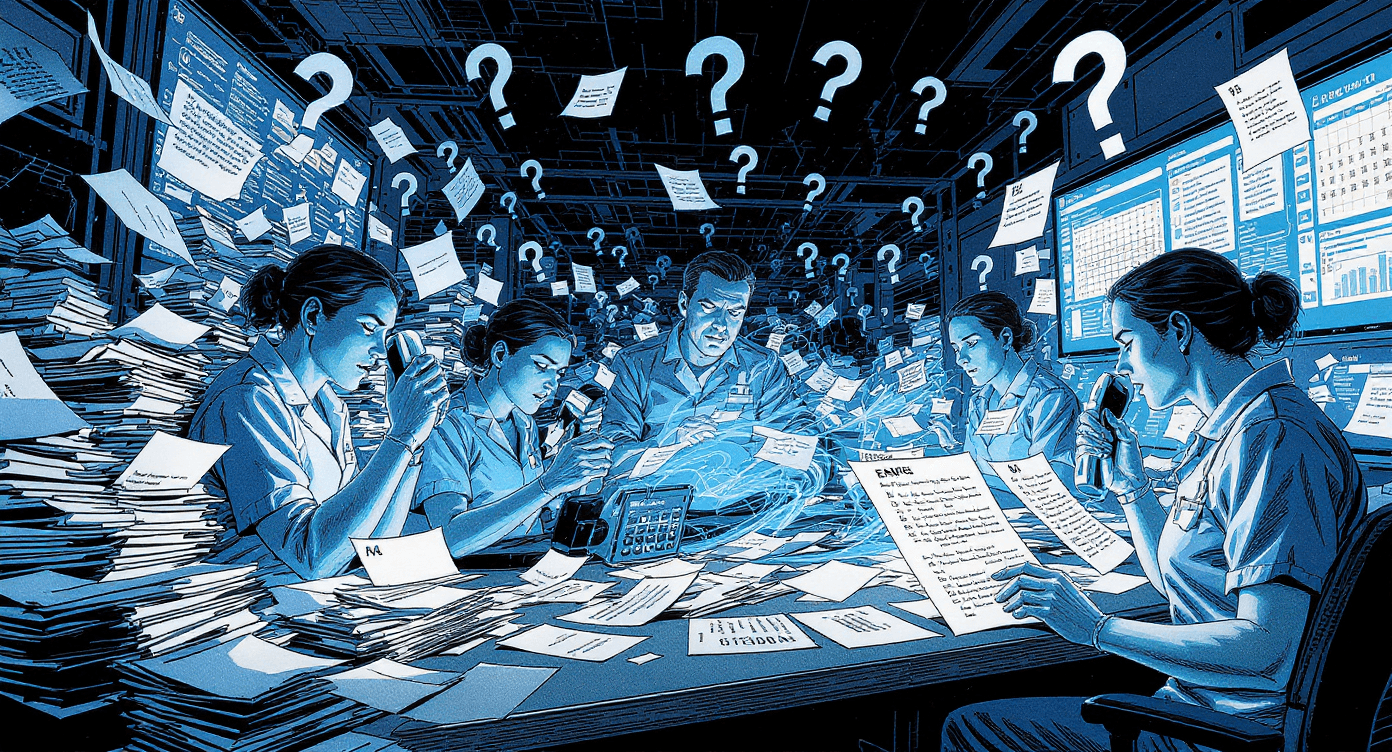
Healthcare professionals facing common daily challenges including documentation, scheduling, diagnostics, patient questions, and administrative overload

📄 Death by Documentation

(And How AI Brings You Back to Life)

Your current reality: See patient → Pretend to listen while frantically scribbling → Spend 30 minutes deciphering your own handwriting → Type it all up → Repeat 20 times → Question life choices → Go home at 9 PM

The AI way: Talk normally during appointments → AI writes everything down → Notes appear perfectly formatted → Actually look at your patients instead of a computer screen → Go home when normal humans do

AI medical transcription enabling healthcare professional to maintain patient eye contact while automatically documenting consultations

🪚 Tools That Actually Work

Nuance Dragon Medical - Voice recognition that understands "subcutaneous hemorrhage" without you spelling it out letter by letter. Used by thousands of practices who've discovered they can speak faster than they can type.

DeepScribe - Sits quietly in the corner, listens to your conversations, and magically extracts the important bits. Like having a brilliant secretary who never takes coffee breaks or judges your handwriting.

Cost: £50-400/month (yes, it sounds like a lot until you calculate what your time is worth)

Medical practice financial planning showing ROI calculations for AI healthcare technology investment

The "Holy Shit" Moment

Dr. Martinez used to spend her evenings transcribing notes like a very expensive secretary. Now she actually goes home for dinner with her family. Her exact words: "I can look at patients again instead of staring at a bloody computer screen all day."

Reality check: You'll still need to edit things occasionally. AI isn't perfect, but it's infinitely better at spelling "pneumothorax" than your handwriting at 6 PM.

💉 AI prescription checking systems catch an average of 1 in 5 potential medication errors before they reach patients - including dangerous drug interactions, incorrect dosages, and allergy conflicts that might be missed during busy shifts.

💡 What to Expect (The Honest Version)

Week 1: You'll feel weird talking to your computer, patients will ask what you're doing

Week 2: You'll start trusting it with simple notes

Week 3: You'll wonder how you survived without it

Month 2: Colleagues will ask why you're so cheerful lately

Time savings: 2-3 hours daily once you're used to it. That's 10-15 hours per week returned to your actual life.

Research from the American Medical Association found physicians spend twice as much time on documentation as with patients - a problem AI transcription directly addresses.

🩷 Appointment Chaos

(Or: How I Learned to Stop Worrying and Love Smart Scheduling)

Current scheduling reality: Mrs. Johnson wants "first thing Monday" but also "not too early." Mr. Smith needs "urgent but not emergency" for next week. Three people don't show up, destroying your entire day's rhythm. You contemplate arson.

AI scheduling reality: Patients book themselves at 2 AM in their pajamas while you sleep peacefully. No-shows get predicted and managed. Your calendar actually makes sense.

😿 Scheduling Tools That Don't Make You Cry

Acuity Scheduling - Patients book themselves online, pick their own appointment types, even pay in advance. Revolutionary concept: letting adults manage their own diaries.

Calendly for Healthcare - Like regular Calendly but with HIPAA compliance (that's the medical data protection law, in case you're wondering why everything healthcare-related costs more).

Jotform + AI Scheduling - Creates intelligent booking forms that actually understand your practice. Patients fill out intake forms, select appointment types, and book slots without your reception staff wanting to scream. Works particularly well for practices with complex booking requirements.

Cost: £20-100 per month per person (cheaper than therapy for scheduling-induced breakdown)

Excessive healthcare administrative paperwork and patient forms creating workflow bottlenecks in medical practice

➕ The Manchester Practice That Cracked It

A busy practice was spending 4 hours daily on scheduling calls. Pure phone tag hell. Then they switched to AI-powered scheduling.

Results after 2 months

  • Reception phone time: 4 hours → 45 minutes daily

  • No-show rate: Cut by more than half (AI sends automatic reminders)

  • Patient satisfaction: Up massively (they can book at midnight without judgement)

  • Reception staff sanity: Fully restored

We can actually help patients with real problems instead of playing calendar Tetris all day. It's like getting our jobs back." - Practice Manager, Manchester

Chaotic appointment calendar with colorful blocks falling like Tetris pieces, overlapping entries, crossed-out times, post-it notes everywhere, red conflict warnings, stressed receptionist hands frantically moving pieces, paper calendar meets digital chaos. Vibrant, overwhelming colours

✅ Implementation Reality Check

Week 1: Half your patients will ring anyway because "they don't trust computers"

Week 2: You'll get panicky when the system does something automatically

Month 1: You'll never want to go back to phone scheduling

Month 6: You'll judge practices that still do manual booking

💤 Tired Eyes and AI Pattern Spotting

Important bit first: AI doesn't diagnose anything. You do. AI just happens to be brilliant at spotting patterns and never gets tired after looking at scan number 847 of the day.

What AI does: Points out things that might need a second look

What AI doesn't do: Make medical decisions (that's still your job, thankfully)

Healthcare worker eye strain from reviewing numerous medical imaging scans highlighting physician fatigue and diagnostic challenges

📋 AI scheduling systems analyse patterns like appointment time, weather, day of week, patient history, and travel distance to predict which patients are likely to miss appointments - allowing practices to send targeted reminders or strategically overbook.

💁 How This Actually Helps

Remember that feeling when you're reviewing scans late in the day and your eyes are so tired you're seeing zebras? AI doesn't have that problem. It looks at every image with the same fresh attention it had at 8 AM.

Radiology AI (various platforms available):

  • Scans X-rays, MRIs, CT scans for unusual patterns

  • Flags potential issues for your review

  • Never gets distracted by the football scores or what's for lunch

Retinal Screening AI (used in NHS programmes):

  • Spots early signs of diabetic eye problems

  • Identifies which patients need urgent referral

  • Helps manage the 300,000+ diabetic patients needing annual eye checks

RADIOLOGY DEPARTMENT" sign above double doors in bustling hospital ward, medical staff walking past blurred in motion, patients in waiting area visible through glass, typical NHS hospital interior, fluorescent lighting, professional clinical environment, depth of field focused on signage.

💻 The Honest Truth About Medical AI

AI is brilliant at: Consistent analysis, pattern recognition, staying alert for 12 hours straight

AI is rubbish at: Understanding why Mrs. Smith is really here, reading between the lines, showing empathy

Perfect combination: AI spots patterns + Your expertise interprets + Patient gets better care

😷 What NHS Early Adopters Found

Several NHS trusts piloting AI diagnostic support report:

  • Faster identification of urgent cases

  • More consistent screening across different staff

  • Specialists can focus time on complex cases that actually need human expertise

According to NHS AI Lab evaluations, AI diagnostic support tools have shown consistent improvements in screening accuracy while reducing specialist workload.

The bottom line: AI doesn't replace radiologists - it gives them a very attentive assistant who never needs coffee.

🚫 The Broken Record Problem (When Patients Ask the Same Thing 47 Times)

Mrs. Henderson just called for the 17th time asking if her blood test results being "normal" means "normal-normal or just normal." Your receptionist is developing a nervous twitch. Time for AI to handle the repeat questions.

🗣 Patient Communication Tools That Preserve Sanity

Healthcare Chat-bots - Answer the same questions 24/7 without losing their minds:

  • "When can I drive after surgery?"

  • "Is this side effect normal?"

  • "What time is my appointment again?"

Healthcare AI chatbot providing consistent patient support across multiple devices for accessible medical information and appointment scheduling

CustomGPT for Healthcare - Build a chat-bot that knows your practice inside out. Train it on your specific procedures, policies, and common patient questions. Unlike generic chat-bots, this one knows that when patients ask about "normal recovery time," they mean recovery time for YOUR type of surgery at YOUR practice.

AI Content Creation Tools - Turn medical jargon into human language:

  • Transform "myocardial infarction" into "heart attack - here's what happens next"

  • Create step-by-step guides patients actually understand

  • Generate post-treatment instructions that don't require a medical degree

📈 Real Practice Success Story

A family practice was drowning in routine phone calls. Same questions, different day. They implemented a simple AI chat-bot for common inquiries.

Results after 3 months:

  • Routine calls dropped by two-thirds

  • Staff time for complex patient needs increased by 3 hours daily

  • Patients got instant answers instead of waiting on hold

  • Reception staff stopped having recurring nightmares about appointment scheduling

🧠 The Psychology of AI Patient Support

Why patients love AI for basic questions:

  • No judgement for asking "stupid" questions

  • Available at 2 AM when anxiety strikes

  • Same accurate answer every time

  • Can ask embarrassing things without shame

What this means for your practice:

  • Staff focus on patients who actually need human help

  • Fewer interruptions for routine queries

  • Better use of expensive human expertise

  • Happier staff who aren't fielding the same calls repeatedly

Patient feeling comfortable asking sensitive health questions privately through AI healthcare support without judgement or embarrassment

🩺 Dr. Google Panic and the AI Antidote

Your patients are googling symptoms at 2 AM and diagnosing themselves with exotic diseases. That headache? Definitely a brain tumour. That cough? Clearly tuberculosis. AI can't cure hypochondria, but it can provide some sanity.

📚 Patient Education Tools That Actually Help

Symptom Checkers That Don't Terrify (like Ada Health, Buoy Health):

  • Provide realistic assessments instead of worst-case scenarios

  • Guide patients to appropriate level of care

  • Reduce unnecessary A&E visits for non-urgent issues

AI-Powered Health Information:

  • Creates personalised explanation based on individual patient situation

  • Translates complex medical information into plain English

  • Provides realistic timelines and expectations

🏙 The Manchester Practice Transformation

A practice was overwhelmed by anxious patients who'd self-diagnosed via Google. They implemented AI-powered patient education tools.

Before AI: Patients arrived convinced they were dying, required extensive reassurance, appointments ran long

After AI: Patients came in informed but not terrified, discussions focused on actual concerns, appointment efficiency improved dramatically

"Patients still google their symptoms, but now they get sensible information instead of medical horror stories. Game changer." - GP, Manchester

Patient overwhelmed by conflicting and alarming online medical information creating unnecessary health anxiety and confusion

📝 Building Trust Through Better Information

AI helps create:

  • Honest procedure explanations that don't sugar-coat or terrify

  • Realistic recovery timelines based on individual circumstances

  • Clear, step-by-step guides for post-treatment care

  • Educational materials that actually make sense to normal humans

Tools like Gamma transform complex medical procedures into visual patient guides that people can actually understand. Instead of handing patients a wall of text about their upcoming procedure, you can create interactive, visual explanations that reduce anxiety and improve compliance. Because nothing says "trust your healthcare provider" like actually understanding what's about to happen to you.

🎒 The Patient Education Transformation

Before AI: Hand patient a 12-page leaflet titled "Post-Operative Care Instructions" written in medical jargon. Patient leaves confused, calls surgery 6 times with basic questions, doesn't follow recovery plan properly.

Patient confused by complex medical information leaflet with excessive text and healthcare jargon requiring simplification

After AI: Create visual, step-by-step recovery guide with pictures, timelines, and plain English explanations. Patient actually understands what to expect, follows instructions properly, heals faster with fewer complications.

Real practice result: One orthopaedic clinic reduced post-surgery complication calls by 60% just by switching from text-heavy leaflets to AI-generated visual guides. Patients knew exactly what "normal" healing looked like versus when to actually worry.

❤‍🩹 Remote Monitoring: Your Patients' Health Data (Without the Stalker Vibes)

Your patients' smartwatches are getting smarter. They can now detect irregular heartbeats, predict diabetic emergencies, and automatically call for help when someone falls. It's like having a very dedicated but non-intrusive health assistant that never judges anyone for their 3 AM biscuit habits.

Smartwatch health monitoring device next to late-night biscuits showing continuous patient health tracking during daily activities

⌚ Wearable Tech That Actually Helps (And Doesn't Drive You Mad)

Heart Monitoring: Apple Watches and similar devices can spot irregular rhythms and alert both patient and practice. No more "I felt funny last Tuesday but forgot to mention it" moments. Though you will get the occasional patient panicking because their watch detected a "heart irregularity" that turns out to be them vigorously chopping onions.

Diabetes Management: Continuous glucose monitors paired with AI can predict blood sugar crashes hours before they happen. Your diabetic patients can actually live normal lives instead of constantly worrying about their next reading. Plus, no more surprise hypoglycemic episodes during important meetings.

Fall Detection: Automatically calls emergency services when elderly patients fall. Because Mrs. Thompson might not be able to reach her panic button, but her watch can. Though it does occasionally trigger when patients throw their hands up in frustration at the TV during football matches.

🎉 A Birmingham Success Story

An elderly patient's Apple Watch detected an irregular heartbeat and alerted emergency services before he felt any symptoms. Paramedics arrived to find him confused but conscious, watching Coronation Street and wondering why there were suddenly so many people in his living room. Hospital confirmed early heart attack. Patient fully recovered and now brags to his mates about his "psychic watch."

The beautiful part: Technology worked seamlessly in the background. No complicated interfaces, no medical training required - just a watch doing its job while he lived his life.

Active elderly person using wearable health monitoring during daily activities for chronic condition management and wellness tracking

🩻 What This Means for Your Practice

Benefits you'll actually notice:

  • Catch problems before they become emergencies

  • Monitor chronic conditions between appointments

  • Reduce crisis management, increase preventive care

  • Patients feel supported without feeling surveilled

Reality check: Not every patient wants to be monitored 24/7. Some find it reassuring, others find it stressful. Know your patients.

🔬 Research and Drug Discovery (Or: Why You Should Care About Protein Folding)

You're not developing the next wonder drug, but AI research affects what treatments you'll have available in 5 years. Here's how it connects to your daily practice - and why it matters more than you think.

💉 How AI Speeds Up Getting New Treatments (That You'll Actually Prescribe)

Drug Discovery Acceleration: AI can screen millions of potential treatments virtually before expensive lab testing. This means:

  • More treatments for rare diseases (AI makes small markets economically viable - good news for your patients with unusual conditions)

  • Faster identification of new uses for existing drugs (that blood pressure medication might also treat anxiety)

  • Potentially lower drug costs (shorter development = cheaper end products = less arguing with insurance companies)

Clinical Trial Improvement: AI helps design better trials and identify suitable patients faster. Translation: treatments reach your patients sooner, and you're not constantly telling them "maybe in 10 years."

AI technology accelerating drug discovery through molecular analysis and protein structure prediction for new medical treatments

🌐 The Real-World Impact on Your Practice

Today's reality: Patient asks about cutting-edge treatment they saw on the news. You explain it's 15 years away, if ever.

AI-accelerated reality: That same treatment might be available in 3-5 years because AI helped researchers skip the dead ends and focus on what actually works.

Concrete example: AI helped identify that an existing arthritis drug might treat severe COVID. Instead of starting from scratch (10+ years), researchers could fast-track testing because they already knew the drug was safe. Your COVID patients got better treatment options in months, not decades.

📆 What This Means for Your Patients in the Next 5 Years

AI research will likely deliver:

  • More personalised treatments based on individual genetic profiles (less trial-and-error prescribing)

  • Better treatments for rare diseases (finally, options for conditions you currently can only manage)

  • Repurposed existing drugs for new conditions (more tools in your arsenal)

  • Potentially more affordable medications (AI efficiency reducing development costs)

Bottom line: You might not care about protein folding algorithms, but you'll definitely care about having better treatment options when Mrs. Johnson's rare condition finally has an effective therapy.

Future of healthcare showing AI-accelerated medical treatments and personalized medicine development timeline over next five years

🐘 The Elephant-Sized Concerns Everyone's Too Polite to Mention

Let's address the worries everyone's thinking but not saying out loud.

😷 "Is AI Reading All My Medical Records?"

The worry: Big tech companies snooping through patient data The reality: Properly implemented healthcare AI processes data locally and follows strict privacy rules (GDPR in the UK, which is basically data protection on steroids)

Best practices that matter:

  • Choose tools that process data locally in your practice

  • Ensure patients understand what AI does with their information

  • Always maintain the ability to opt out

  • Regular security reviews (just like you should do anyway)

🧑‍🏭 "Will AI Take My Job?"

The honest answer: AI creates different jobs, not fewer jobs

Jobs AI is actually creating in healthcare:

  • AI implementation specialists

  • Healthcare data analysts

  • Digital patient experience coordinators

  • Technology training roles

What changes: You'll spend more time on complex patient care and less time on routine admin. Most healthcare workers consider this a win.

Humorous illustration debunking AI replacing doctors myth showing healthcare professionals successfully working alongside technology

📛 "What Happens When the AI Gets It Wrong?"

The crucial point: AI supports decisions, never makes them independently

How this works in practice:

  • AI flags potential issues for your review

  • You maintain complete oversight of all AI recommendations

  • Human judgement always has the final say

  • Everything AI does is logged and audit-able

👯 AI handles routine tasks so humans can focus on complex care. It's a partnership, not a replacement.

🔥 Your "Start Small" Action Plan

Week 1: Pick Your Biggest Headache

Choose ONE area where AI could help immediately:

  • Documentation driving you mad? → Try free trials of AI transcription tools

  • Scheduling nightmare? → Test smart scheduling with new patients only

  • Patients asking same questions repeatedly? → Set up simple FAQ automation

    Time investment: 2 hours of research Expected outcome: Clear understanding of what might actually help

Week 2: Test in the Real World

Run a small experiment:

  • Use chosen AI tool for one week

  • Track time saved (or lost, be honest)

  • Note any problems or unexpected benefits

  • Get feedback from staff and patients

    Goal: Real data on whether this solves your actual problem

AI implementation checklist showing three-week healthcare adoption plan with progressive task completion and success milestones

Week 3: Decide and Scale

Based on your trial:

  • If it helped, plan wider implementation

  • If it didn't work, try different approach or different tool

  • Train other staff gradually

  • Establish protocols for ongoing use

Medical practice team receiving hands-on AI tool training demonstrating importance of proper staff education for technology adoption

📉 Success Metrics That Actually Matter

Track these:

  • Hours saved (or gained) per day

  • Staff stress levels (ask them directly)

  • Patient feedback on new processes

  • Error rates in routine tasks

  • Whether you'd recommend it to a colleague

Red flags to watch for:

  • Increased errors or confusion

  • Staff resistance that doesn't improve with training

  • Patient complaints about new systems

  • Technology problems affecting patient care

🩼 Common Mistakes (Learn from Others' Pain)

Trying everything at once → Start with one tool, master it, then expand

Skipping staff training → AI tools are only as good as people using them

Ignoring patient concerns → Explain benefits, don't just impose changes

No clear success definition → Know what "working" looks like before starting

These aren't the only pitfalls - check out our complete guide to 5 Common AI Mistakes Beginners Make for more implementation traps to avoid.

Deloitte research shows healthcare organisations implementing AI gradually see 3x better staff adoption rates compared to those attempting wholesale changes.

Large error notification on medical software requiring technical support and proper AI implementation training

😢 Feeling Overwhelmed?

AI and automation can sound brilliant in theory… until you try setting them up between patient appointments and endless admin tasks. If you'd rather skip the trial-and-error, I help healthcare practices set up simple AI automations that save hours every week.

📩 Just send me an email — I check them all personally and typically respond within 24 hours.

Ready to explore beyond healthcare-specific tools? Our 7 Beginner Friendly AI Tools guide covers versatile options that work across any industry.

Download our "First AI Tool" Cheat Sheet - tells you exactly which tool to try first based on your biggest daily frustration.

🥷 The Bottom Line: AI as Your Secret Weapon Against Burnout

Here's what's actually happening in progressive healthcare practices: AI is quietly handling the tedious stuff while humans focus on the interesting, important work that requires empathy, judgement, and medical expertise.

The early adopters aren't tech fanatics - they're practical professionals who realised AI could solve real problems that have plagued healthcare for decades.

AI in healthcare isn't about replacing doctors - it's about giving you back the time and mental energy to be better at the job you actually trained for.

Start with one annoying task. Find an AI tool that might help. Test it for a week.

You might just remember why you went into healthcare in the first place.

Modern UK hospital exterior showing contemporary healthcare facility with welcoming environment for patients and medical staff

🔎 Related reading: What is AI | AI Buzzwords Broken Down | What is NLP

About SimplifyAI: We help UK healthcare professionals understand and implement AI tools without the overwhelm. No buzzwords, no unrealistic promises - just practical solutions that make healthcare better for everyone.
Simplify AI

Making AI make sense -- one prompt at a time

Declaration

Some links on this site are affiliate links.

I may earn a small commission, but it doesn't

cost you anything extra.

I only recommend tools i trust

Thank you for your support

Socials

Email : no-jargon-ai@outlook.com

Tiktok : @no-jargon-ai

Instagram : @no-jargon-ai

Location

Based in Mansfield, Nottinghamshire

Simplifying AI for beginners, no matter

where you're starting from.

All Rights Reserved.